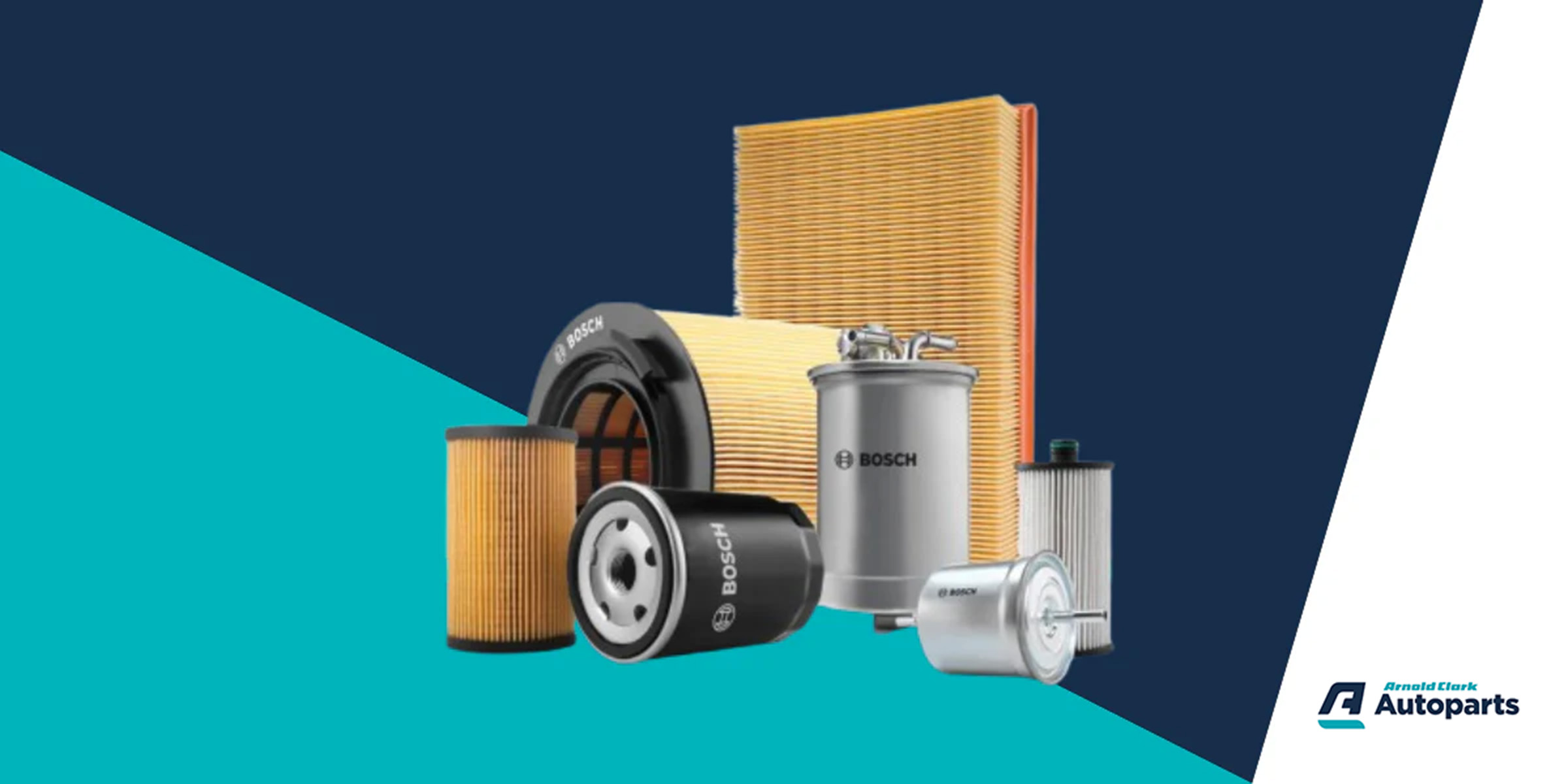
D-i-y car maintenance these days? Yes, there are aspects that you can tackle yourself, including, in many cases, renewing the crucially important filters.
Arnold Clark Autoparts tells us…
Keeping your car running smoothly doesn’t always mean a trip to the garage. Some
components, like your car’s filters, can be easily and cost-effectively done at home by
yourself.
So, whether you’re looking to improve performance, fuel efficiency, or just the air quality
inside your car, this guide will walk you through everything you need to know to quickly
change your car’s filters – and why it’s important to do so.
Why changing your filters matters
Your car relies on several filters to keep critical systems clean and functioning properly.
Over time, these filters can become clogged up with dirt, debris and other contaminants,
which can lead to:
Reduced engine performance
Lower fuel efficiency
Poor air quality inside the vehicle
Increased wear on your engine components
Regularly replacing your filters prevents these issues and keeps your car running at its
best.
Engine air filter
What it does:
Prevents dirt and debris from entering your engine.
When to change it:
Every 12,000-15,000 miles (or sooner if you drive in dusty conditions).
How to change it:
1. Open the bonnet and locate the air filter housing (usually a black plastic box).
2. Unclip or unscrew the housing.
3. Remove the old filter.
4. Insert the new filter, ensuring it sits properly. Kim adds, “Ensure that the filter housing is clean before installing the new filter element; remove all debris”.
5. Re-secure the housing.
Cabin air filter
What it does:
Cleans the air entering your car’s interior through the heating and air conditioning
system.
When to change it:
Every 12,000–20,000 miles or once a year.
How to change it:
1. Locate the filter (usually behind the glovebox or under the dashboard; sometimes located beneath the scuttle).
2. Remove the glovebox or access panel.
3. Slide out the old filter.
4. Insert the new one, making sure the airflow direction arrow is correct.
5. Reassemble the glovebox or panel.
Engine Oil Filter
What it does:
Removes contaminants from engine oil.
When to change it:
Every time you change your oil (typically every 5,000–10,000 miles). Kim adds, “…or at least once a year”.
How to change it:
1. Drain the engine oil.
2. Locate the oil filter (usually near the engine block).
3. Use an oil filter wrench to remove the old filter.
4. Lightly oil the rubber seal on the new filter (using engine oil).
5. Screw in the new filter by hand.
6. Refill with fresh oil. Kim adds, “Start the engine and check for oil leaks; DO NOT rev the engine until oil pressure has built up”.
Fuel filter
What it does:
Keeps dirt and contaminants out of the fuel system.
When to change it:
Every 20,000–40,000 miles (check your manufacturer’s guidelines).
How to change it:
1. Relieve fuel system pressure (important for safety).
2. Locate the fuel filter (often along the fuel line or under the car).
3. Disconnect the fuel lines.
4. Remove the old filter.
5. Install the new filter, ensuring correct fuel flow direction.
6. Reconnect everything securely.
VERDICT
Changing your car’s filters is a quick and rewarding bit of maintenance that you can carry out at home to save you money and extend the life of your vehicle. Most filters can be swapped out in under 30 minutes – even for beginners.
If you’re unsure about any step, check your vehicle manual or consult a professional, especially if you are considering changing a fuel filter, which can be more complex.
Arnold Clark Autoparts offers a wide range of replacement filters, engine oils and maintenance products online and at branches across the UK.
Kim adds, “Always adhere to the vehicle maker’s recommendations with regard to lubricant and filter changes, and always use good quality filters”.