Classic car ignition systems and their ailments – some useful notes to help enthusiasts
Kim writes… Sheridan Risby has many years of experience with older cars and problems that can arise with them, and is very knowledgeable about such potential difficulties. Here he kindly shares some thoughts to help other enthusiasts avoid troubles.
(Photographs © Kim Henson and Sheridan Risby, as individually credited).
Sheridan is currently in Portugal where the climate is, of course, rather different to that of the UK, but the checks and potential solutions he writes about are universally useful and can help classic owners wherever they are based. What follows is intended to supplement the usual electrical fault-tracing /diagnostic procedures, which are not repeated here.
Grateful thanks to Sheridan for sharing these helpful notes, based on hist first-hand experience…
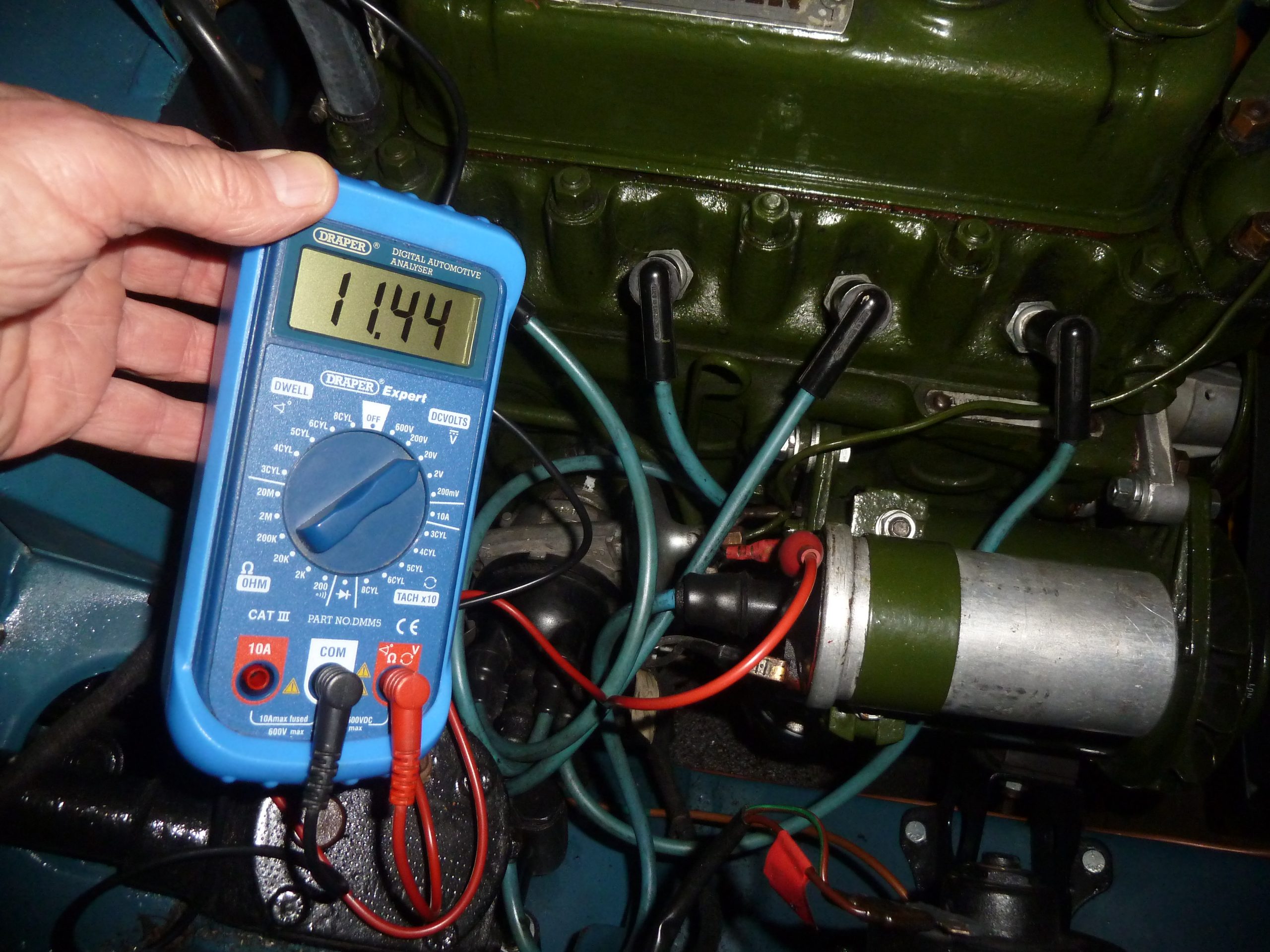
It is worth saying that in any electrical assessment on an older vehicle, it is wise to start with the car’s battery, ensuring that it is in good condition (have it tested if necessary) and with clean and secure connections. If in any doubt, remove the terminals from the battery, thoroughly clean the connections (wear protective goggles and gloves) and re-assemble, protecting the terminals from future moisture accumulation/attack by applying petroleum jelly or silicone grease.
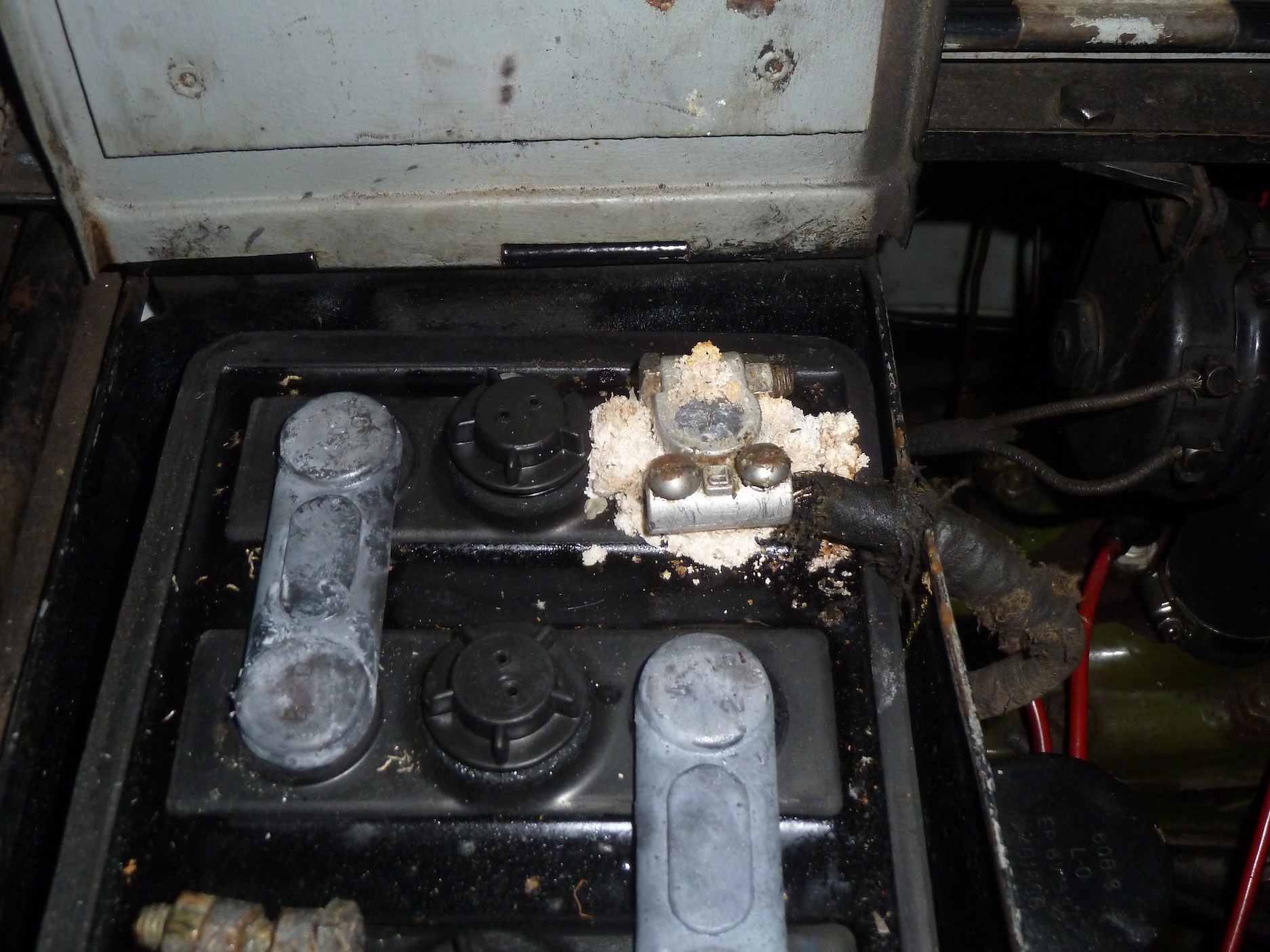
Photograph © Kim Henson.
Earth connections are vitally important throughout the system too; ensure that all are clean and secure.
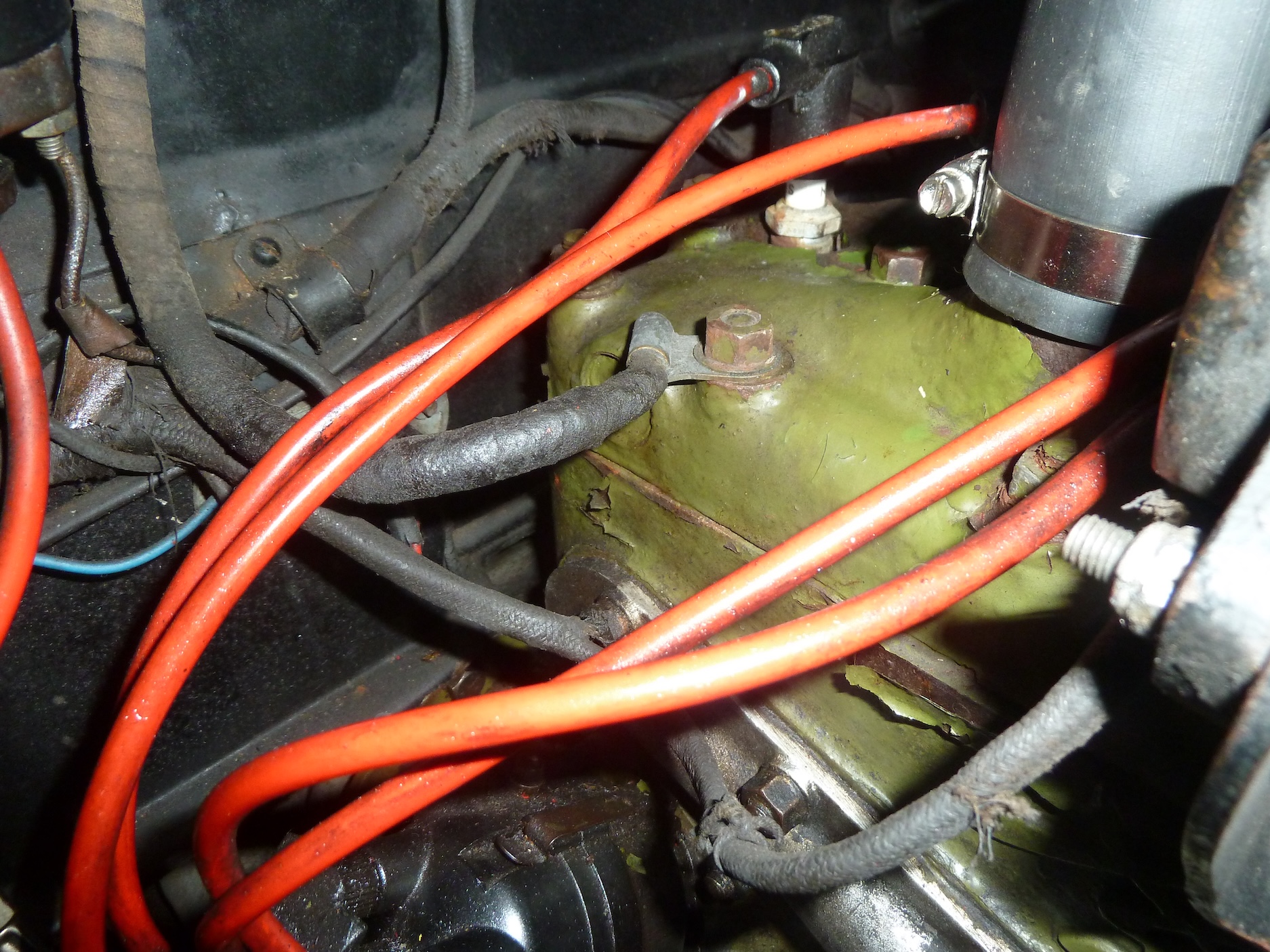
Photograph © Kim Henson.
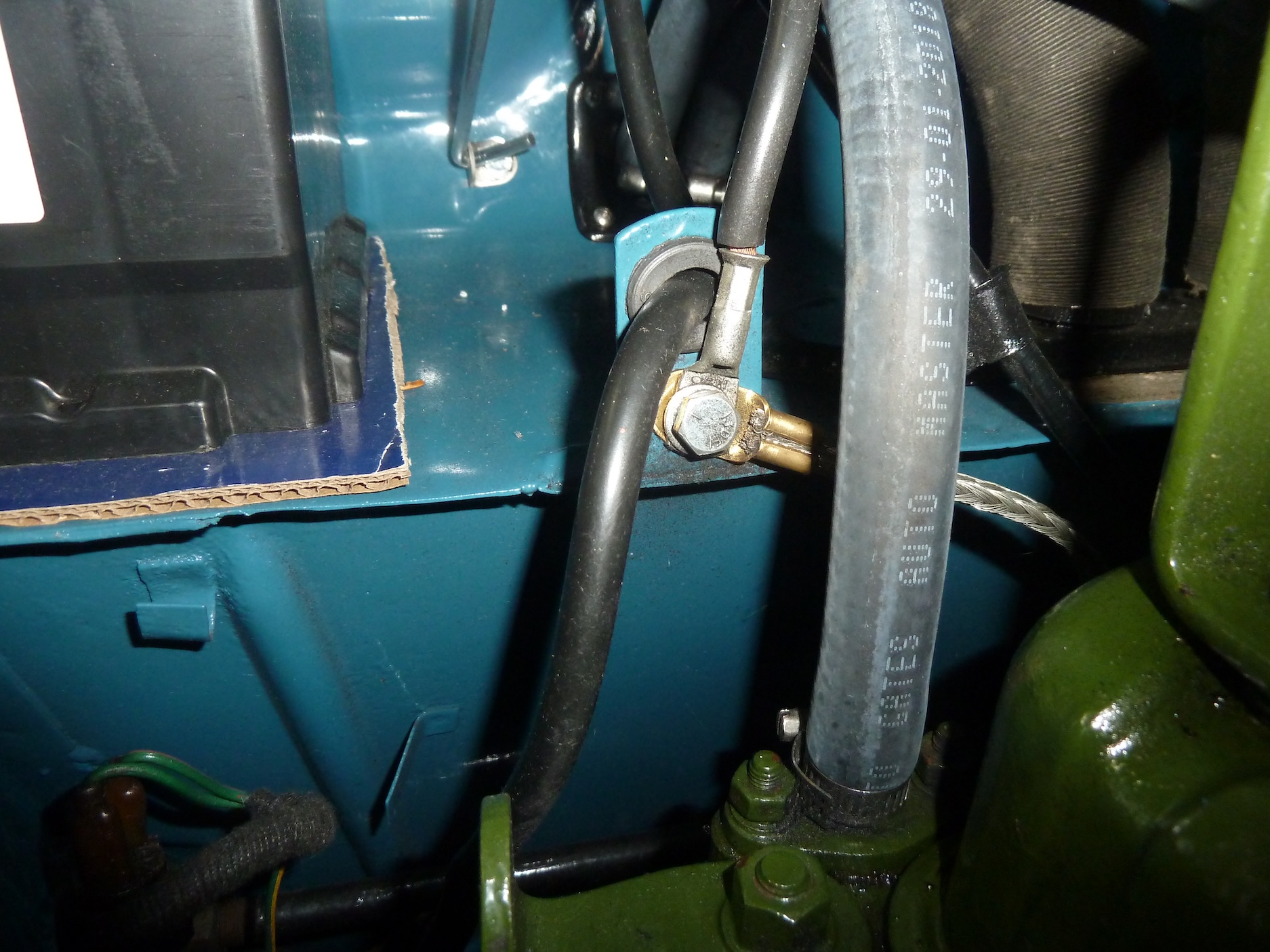
Photograph © Kim Henson.
Sheridan writes…
Ignition Problems etc.
Basically this mostly relates to older cars with ‘contact breaker points and condenser’ ignition systems. I’ve encountered a lot of electrical issues here, more so than in the UK, including poor running, reluctant starting, non-starting, etc.
Almost always the cause is down to poor or corroded connections. It’s incredibly humid here, i.e. lots of moisture in the air, and air can reach into the smallest of spaces, being very ‘thin’. That moisture, held within, corrodes in places we wouldn’t usually expect, for instance between a cable core and its crimped-on connector on the end of the wire, even when the crimping is good and tight. The same scenario applies to bolted connectors etc.
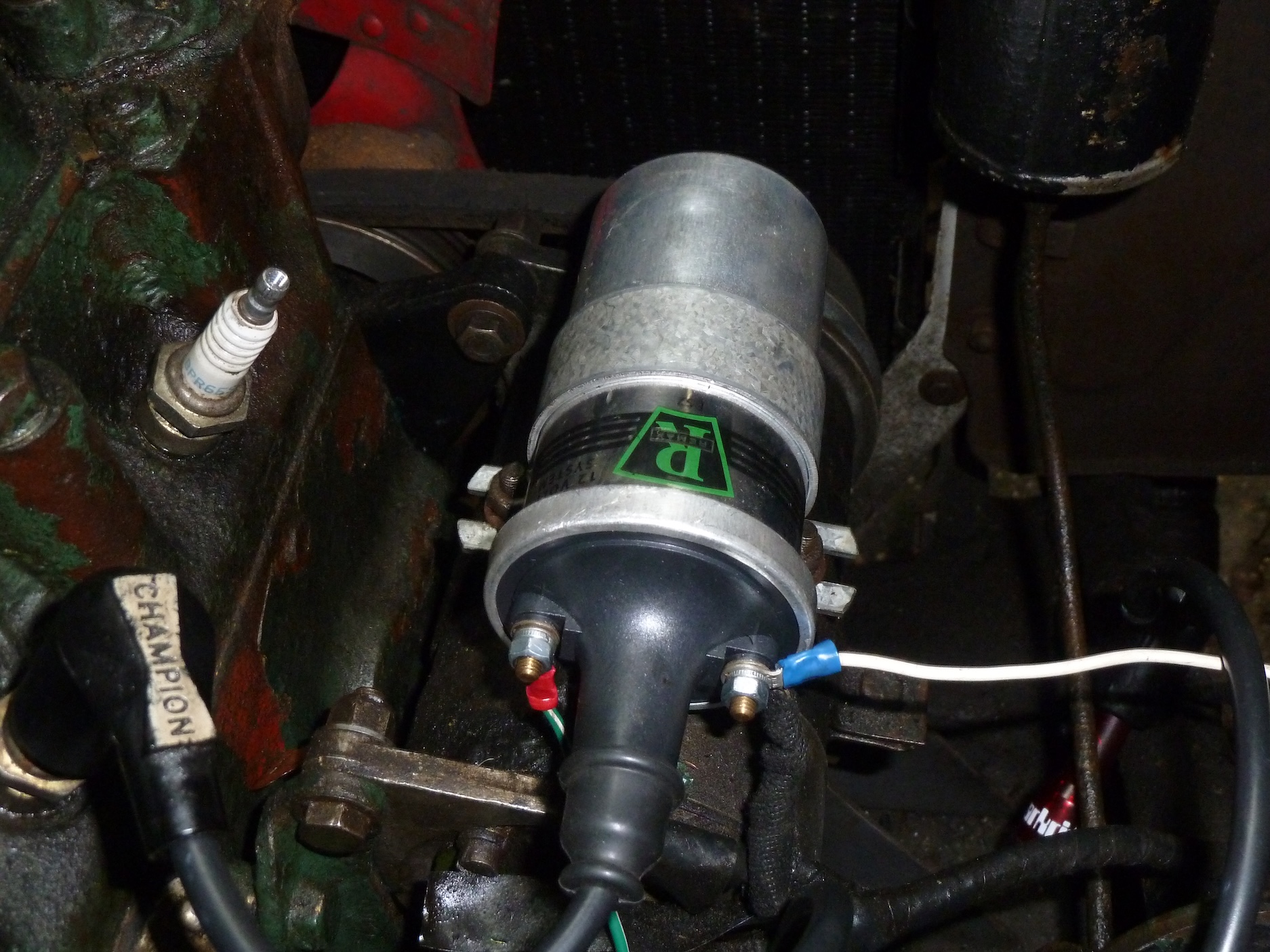
Commonly, in conventional (contact breaker/coil) ignition systems, in order to power the 12v ignition coil (I’m ignoring 9v ballasted coil systems for simplicity) the power initially comes from the battery, then is often delivered to the starter motor, on to the dynamo then through the loom to a fuse box or straight to the ignition switch.
From the ignition switch the power travels back through the loom to the engine bay again, to the ignition coil, from the coil to the contact points and condenser. All this involves quite a few connections and of course the contacts inside the ignition switch itself.
Let’s say 8 connections, each of which could lose a quarter of a volt, so the consequence is that now the coil is seeing 10 volts instead of 12.
Add to that, under starting conditions the battery voltage could easily drop to 10v, now there’s possibility of the coil receiving just 8 volts, (output 20,000v down to possibly around 15,000v); not helpful!
Photograph © Kim Henson.
There’s a simple way around this, not perfect but eliminates most of the voltage drop!
Let’s consider something rarely looked at even by most mechanics, the earth side of the coil… This earth path travels from the secured-to-distributor baseplate side of the points, to the baseplate, with the baseplate often being mobile due to the vacuum advance mechanism. Often the path then continues through a tiny wire from the baseplate to the distributor body, down the body to its mount in the engine block (probably on classic cars not a very clean mount due to age and dirt build up) through the block and earth straps, possibly to the car’s chassis and from the chassis to the battery. This all translates into much potential for voltage drop within this path! To aid/improve continuity I have soldered a wire directly to the earth side of the points; this cable runs out through the side of the distributor and straight to the battery earth (‘ground’).
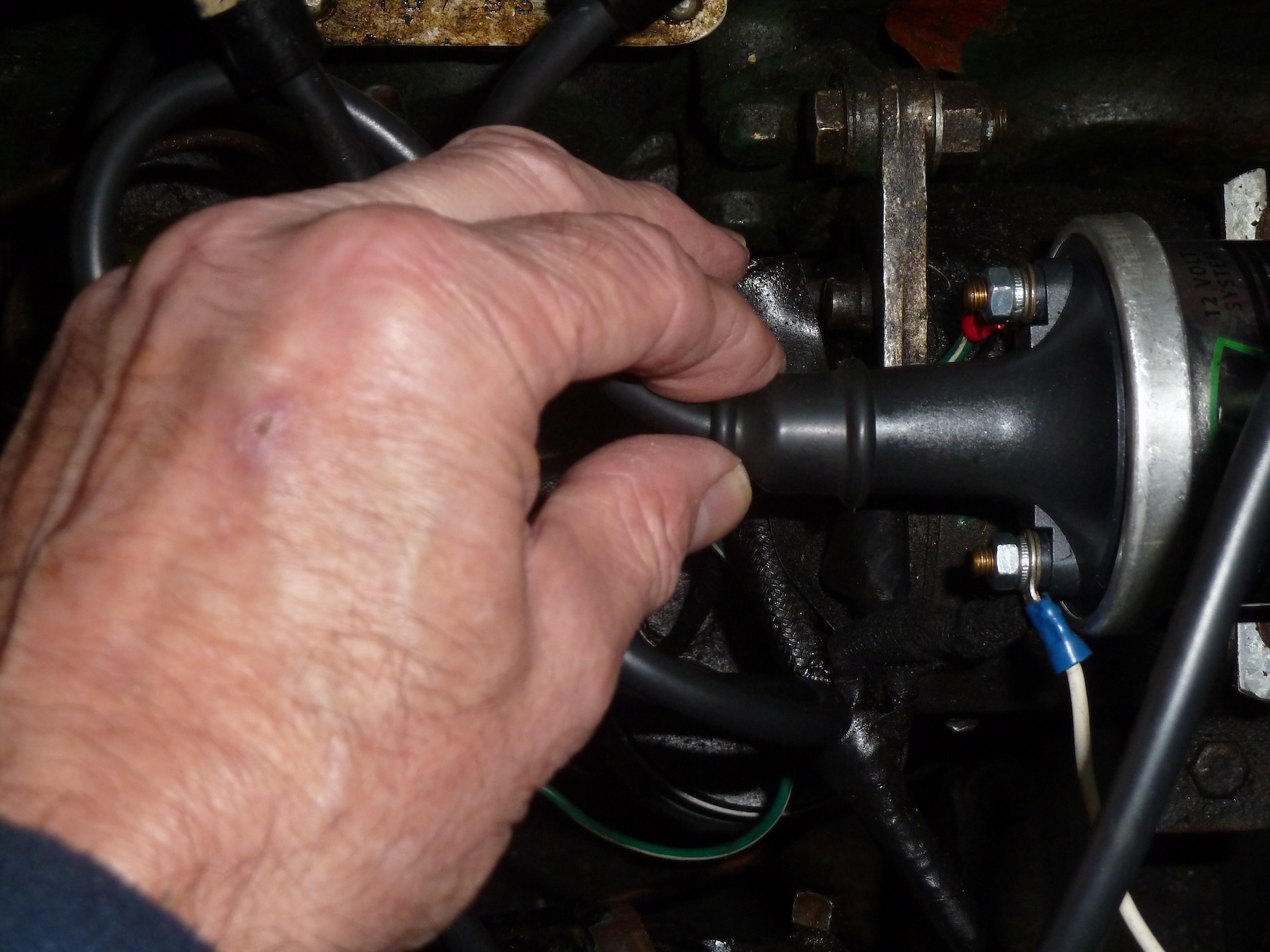
Don’t overlook the high tension circuitry; poor starting and ‘intermittent’ running could be due to connections not being fully tight, and/or to breakdown of (for example) ‘carbon string’ type high tension leads connected to the spark plugs.
Photograph © Kim Henson.
Relay
The other simple modification requires one standard type relay (actually I have used two, just one can be used; I’ll explain at the end). A good heavy duty cable can be taken straight from the battery to one of the relay switch terminals (usually numbered 30), The other switch terminal (usually 87) is connected via a suitable cable to the ignition coil. The original cable on the coil from the ignition switch comes off the coil and is connected to one of the relay operation terminals (85). The other relay operation terminal (86) is connected to a good earth, So, the ignition switch is only operating the relay, which demands very little current and would if necessary still operate fine on a lower voltage.
That relay provides the best possible power from the battery to the coil with minimal connections between. I’ve just ‘piggy backed’ another relay with the first, just for reliability, both would have to fail to cause a breakdown.
It’s worth noting that, if ever required, it’s very simple to swap back to the original system, just a wire swap from the relay back to the ignition coil
I have made a few other improvements to my old (1950s) Cadillac, for example its original engine earth went from the battery to the chassis, and from the chassis via an earth strap to the bell housing. I have added another heavy duty earth cable, connected directly from the battery to the engine block, I have found both starting and smoothness of running etc. are noticeably better. This could be helpful for many older vehicles.
Something else I have done to reduce the possibility of ‘poor connection’ problems is to solder terminals (as many as feasible) onto their cables
Daily Driver Renault 5
My daily driver Renault 5 is equipped with a ‘contact points and condenser’ ignition system, and ever since I first acquired it, the car has suffered from various running problems! Amongst other things I have done to improve matters, I changed the points for new ones (quite expensive here, as are many things in Portugal!), and in fact I also renewed the distributor cap, rotor arm, high tension leads, spark plugs and condenser, to cover all eventualities.
Very shortly afterwards I experienced poor running again. First I checked the points gap. It’s quite possible that a little manufacturing burr on the heel of the points operating arm can wear off quickly and close the gap. In this case, however, the gap was fine but the points faces were badly corroded. (In fact I hadn’t seen such corrosion on contact points – actually the whole assembly and not just the points faces – since many years previously, when I bought a 1951 Buick Road Master Hearse. This vehicle had been completely derelict, having been stood in a field for 20 plus years – those contact points were severely corroded too!).
Anyway, with the Renault, the corrosion had occurred in such a short time, probably due to two things; high humidity, as mentioned before, and poor quality modern manufacture and plating.
I cleaned up the faces of the points and refitted them, which restored the engine running again, but soon the flat metal spring was to snap, and the car came to a halt in the middle of nowhere, naturally. Fortunately I had the old set of points in the car, which got me going but they too were rusty.
Anyway, giving the contact points situation a little thought… In the original set-up, the input wire from the coil is riveted on to the end of the flat spring, the flat spring is riveted onto the points arm carrying the contact, which in turn is riveted on as well. All these joints provide plenty of chance for poor connections when they seem to corrode quite quickly. Therefore what I have done is to solder in place, on the contact points assembly, an additional small wire eliminating all rivets except the contact rivet, and I soldered the back of the contact to ensure a good connection there. This work has resulted in much improved starting and running of the R5.
I also soldered the earth wire in place as well installing the extra points wire. To be honest in these cases the soldering isn’t cosmetically brilliant but is electrically sound!
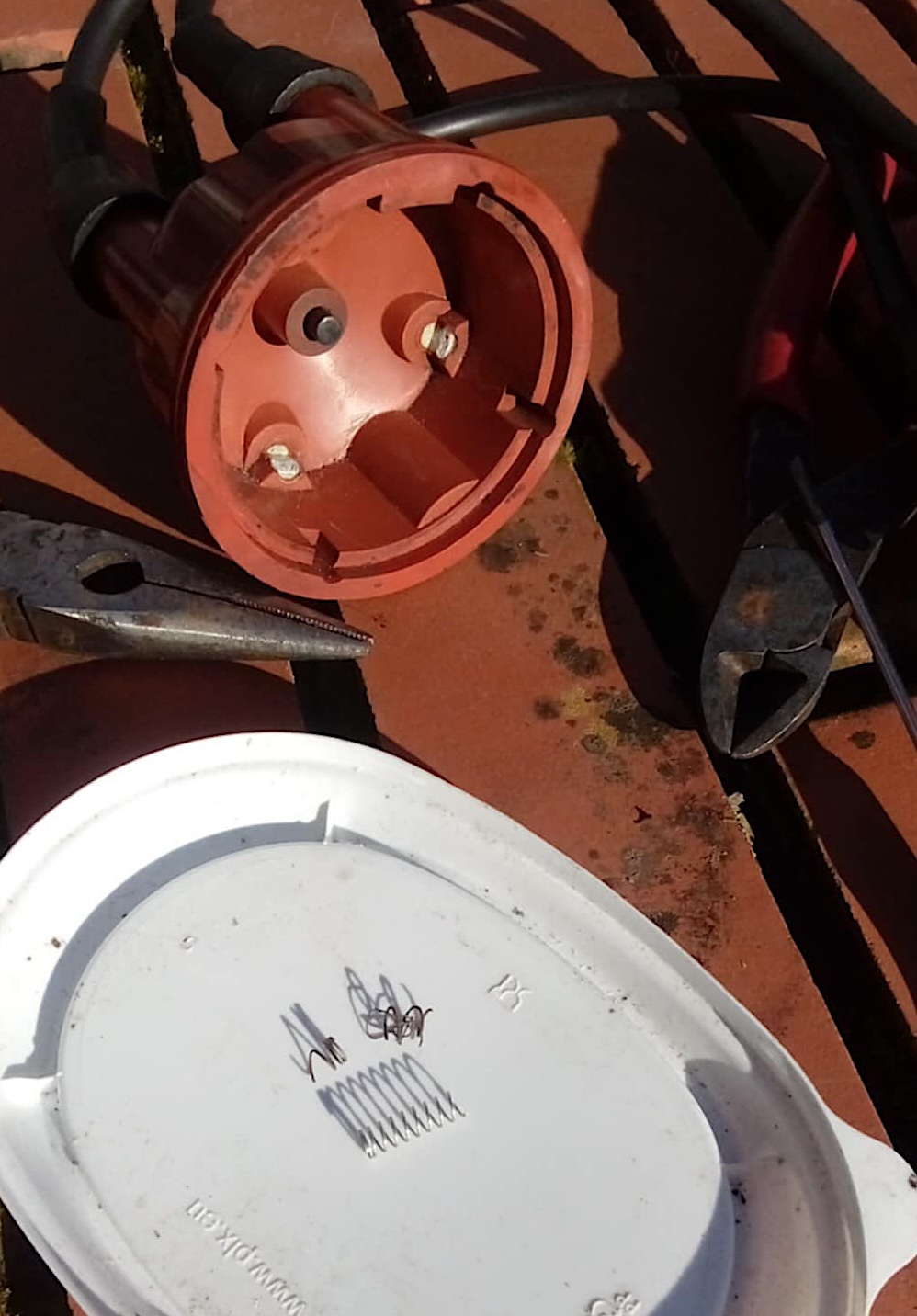
Having sorted out this lot, a new issue came to light when recently I removed the distributor cap!! In addition to the ‘usual’ difficulties here of dampness/humidity and corrosion, the distributor cap’s carbon brush fell out as I lifted off the cap!!!
Not helping matters when I searched on the floor for the carbon brush that had made its escape, the car is parked on bare earth. Eventually I found the brush and discovered that the coil spring holding it in place has rusted away! That’s why it dropped out; the remains of the spring can be seen in this photograph, below.
As mentioned, I had already, and recently, renewed the distributor cap, leads, plugs and so on, so the cap is not very old.
Anyway, I sacrificed a ball point pen for its coil spring of the correct diameter, installed it in the distributor cap (attached to the carbon brush) and hopefully all should now be ok!
Conclusions – Kim writes…
A close study of the ignition system on your classic may help to identify where further improvements can be made for little or no outlay, but which transform operation of the vehicle. In particular, as Sheridan points out, corrosion within connections and cables can result in voltage drop that can have severe adverse effects on starting and running. Addressing these issues can transform the reliability and enjoyment of the vehicle.
© Kim Henson and Wheels-Alive, 2nd October 2026