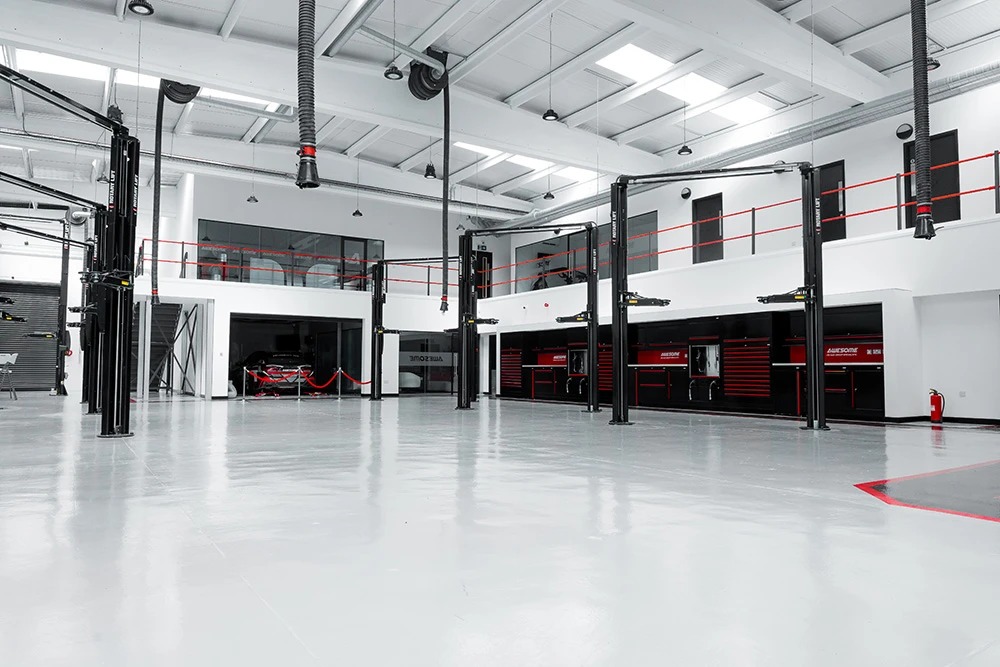
Awesome GTI (VW Audi Group tuning specialists) of Manchester tell us..
(Photograph and all words from Awesome GTI; https://www.awesomegti.com/awesome-tdi-remaps/).
Proposed new emissions rules would not care whether your diesel is dirty because of a cheap tweak or a tired part. For owners keeping a TDI going past 100,000 miles, upkeep is about to matter more than ever.
Diesel owners have had a rough autumn. In early October the UK average price of diesel passed £2 a litre for the first time, hitting 200.01p, according to the RAC. At the same time, values of three-year-old, 30,000-mile diesels have fallen 6.9% in a year, say valuation experts cap hpi.
That is a poor time to sell. So for plenty of owners, the smart money is on making the TDI they already have last.
There is a twist, though. A Government plan could soon make a neglected diesel a legal problem, not just an expensive one.
Poor upkeep and tampering, treated the same
This summer the Department for Transport ran a consultation on in-use vehicle emissions. It closed on 6 September.
The idea is simple. Vehicles in use in Great Britain from 2001 onwards would have to keep meeting the emissions standard they were built to. A diesel approved to Euro 5 would have to stay a Euro 5 car.
The part that should make TDI owners sit up is this line. The Government says it has ‘chosen not to distinguish between excess emissions caused by poor maintenance of a vehicle and those caused by modifications’.
In other words, a car can fall foul of the rules without anyone meaning it to. The consultation says the effect ‘does not have to be intended’.
The Government expects the new law to be passed in summer 2027, with a six-month lead-in. The DVSA is expected to enforce it. The consultation points to fines of between £1,000 and an unlimited amount after prosecution.
The DPF: why short trips are the enemy
The diesel particulate filter (DPF) sits in the exhaust and traps soot. It then burns that soot off, a process known as regeneration.
Some of this happens on its own during long, steady runs. The RAC suggests a 30 to 50 minute run at a steady speed on a motorway or A-road to help clear it. When the filter gets to about 45% full, the engine also steps in by adding extra fuel to heat the exhaust.
The trouble comes when that process never gets to finish. The RAC calls short, low-speed journeys ‘the prime cause of blocked diesel particulate filters’. It also warns that most DPF diesels need low-ash ‘low SAPS’ oil, and that the wrong oil can block the filter early.
Here is a lesser-known point. In its guide to the remap process, Manchester VW Group specialist Awesome notes that faults in parts such as the thermostat or a lambda sensor can stop the DPF’s automatic regeneration from happening at all. So a filter that keeps clogging may be a sign of a fault elsewhere, rather than a bad filter.
That matters, because the bill for a new DPF can run from around £800 to more than £4,000, says the RAC.
Removing the filter is not the answer. Doing so is already against the law in almost every case, and the MOT has checked for a missing DPF since 2014, according to Government guidance. Since May 2018, a diesel with a DPF also gets a major fault if the tester sees smoke of any colour from the exhaust.
The EGR: the part that gums up
The exhaust gas recirculation (EGR) valve feeds a little exhaust gas back into the engine. This lowers combustion temperatures and cuts nitrogen oxides (NOx).
Over time, soot and residue build up and the valve can stick. The RAC lists a rough idle, hesitation, poor fuel economy, warning lights and higher emissions among the signs. If soot is the only problem, a clean may be enough. If the valve itself has failed, it will need replacing.
What you must not do is switch it off. The consultation names EGR ‘manipulation’, whether done by hand or by ‘remapping the ECU’, as something it would always treat as illegal. The same goes for DPF deletion and ‘AdBlue delete’ on diesels that use it.
So, what about remaps?
This is where a lot of owners get the wrong end of the stick. The proposals do not ban remaps.
The consultation calls vehicle alteration ‘a legitimate practice’. What counts is the result. A remap that keeps the car within the emissions standard it was built to is a different thing from one that turns the EGR off or deletes the DPF.
On a high-mileage TDI, the state of the engine before the remap counts for just as much as the software. Awesome, who has developed their own remaps as well as selling other high quality ECU tuning brands such as Racingline and APR, runs every TDI through a health check on its rolling road first. Its account of the process includes a road test with data logging, a check of stored fault codes and a reading of how much soot is in the DPF.
The firm also points out that fuelling matters on DPF cars. Too much fuel means more soot, and more soot means more regeneration problems. Clutch slip gets checked too, to make sure the clutch copes with the extra torque.
Its advice is to steer clear of a remap if the car shows warning lights, misfires or burns more oil than it should. Tuning an engine that already has a fault may cause further damage. The firm also keeps the car’s factory software, so it can be put back to standard.
Do not forget the insurer
A remap is a modification, and your insurer needs to know about it. The Financial Ombudsman Service lists ECU remapping among the changes owners should declare. It has also found an insurer was fair to void a policy over an undeclared remap and exhaust changes.
A simple checklist for a long-lived TDI
- Give the car a proper run of 30 minutes or more every so often.
- If the DPF light comes on, around 10 minutes above 40mph can help the filter finish cleaning itself, says the RAC. If the light stays on, see a garage.
- Use the low-SAPS oil the handbook asks for.
- Treat repeat DPF trouble as a clue, and look for faults elsewhere.
- Fix warning lights before you think about a remap.
- If you do remap, choose a tuner who checks the car first, and tell your insurer.
Look after the basics and a TDI can keep going for a long time. Under the rules that are coming, that care could also keep you on the right side of the law.
To find out more about TDI health checks and remaps, visit Awesome.