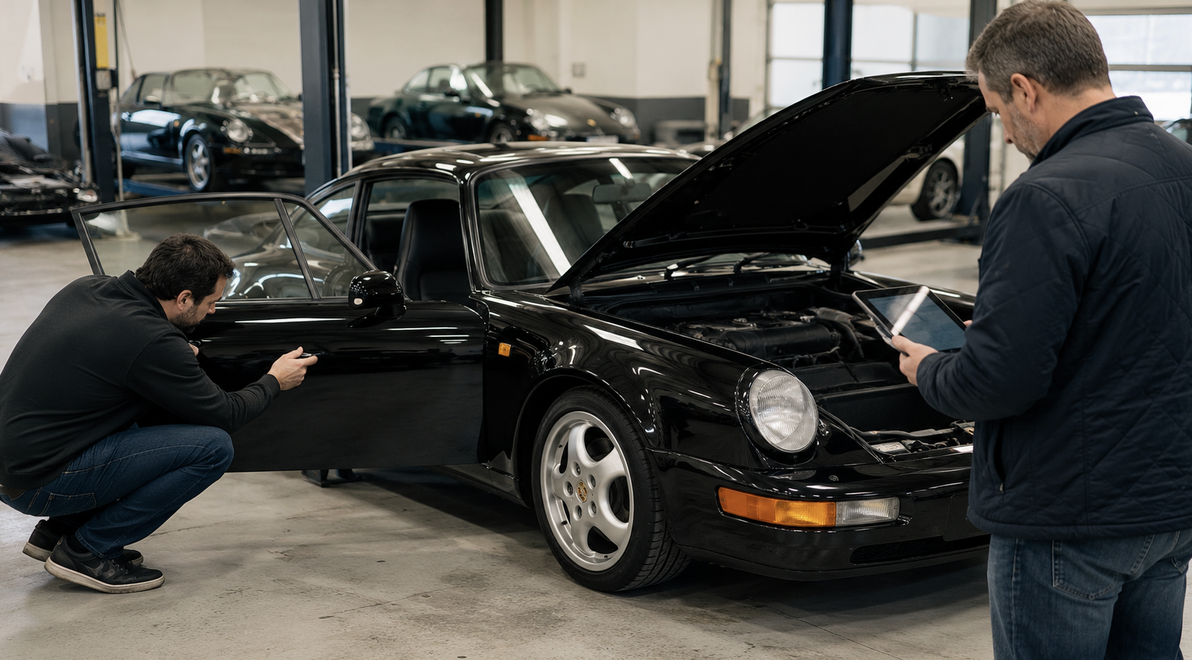
EpicVIN UK tells us…
SEO Title: Where to Find the VIN Number on a Modern Classic (UK Guide)
SEO Description: Find the vehicle identification number (VIN) on a classic car, read its 17-character code and match it to the V5C before you buy.
Note: This feature incorporates sponsored content.
Why Verifying a VIN Matters Before You Buy a Modern Classic
A modern classic often looks flawless in photos, yet paint and polish can hide a vehicle’s history full of mismatched parts or a murky past. Before any money changes hands, a shopper needs more than a seller’s word about what the car actually is. That confidence starts with one small string of characters printed on the dashboard.
A shopper should always verify a vehicle’s condition and history before handing over a deposit. EpicVIN in the UK (https://epicvin.uk/) lets a buyer check whether a vehicle was ever reported stolen before placing a bid or making an offer. That single check, paired with a proper inspection, protects a buyer from paying full price for a vehicle with a hidden problem.
What’s a VIN Number and Why Does It Matter
A vehicle identification number works like a fingerprint for a car. No two vehicles share the same string. That unique serial number ties directly to one specific vehicle from the day it left the factory. Insurers, the DVLA and independent garages all rely on this marker to pull accurate records about an individual vehicle.
Manufacturers use this string to track assembly, engine type and even the plant where a car came together, along with details about how the factory chose to build that specific unit. A shopper who understands this system gains real leverage when checking whether a modern classic is genuinely original or quietly reassembled from parts that never belonged together. In the UK many owners call it the chassis number, but it is the same code.
Common Places to Find This Code on a Classic
Being able to locate the VIN takes only a moment once someone knows where to look. Most drivers find your vin number at the base of the windscreen on the driver’s side, visible by standing outside the car and looking through the glass.
Other spots include the door pillar, the bulkhead in the engine bay and the V5C registration certificate (the logbook). The MOT history record lists the registration plate and mileage, which makes cross checking documents an easy way to confirm nothing was altered. Someone shopping for parts should always use your VIN when ordering, since certain parts only fit a specific production run and a shopper can rely on the VIN to identify recalls tied specifically to that run.
Here is a UK twist worth remembering. Cherished number plates move between cars, so a plate alone proves very little. The VIN stays with the car.
How to Read a VIN and Understand Its Structure
A vin is a 17-character code built from numbers and letters arranged in a specific order. This unique 17-character code differs for every unit ever produced. Reading one correctly means understanding that each position carries meaning rather than being random. The full string spans exactly 17 characters from start to finish.
Here is a simple breakdown of what a typical structure includes.
- First character shows the country of origin
- Second and third characters identify the manufacturer
- Characters four through eight indicate the engine type and other core features
- Ninth character functions as a security check digit
- Tenth character shows the model year
- Remaining letters and numbers form a unique marker tied to that one car
What Each Section of the String Reveals
Every unique identifier carries a layered story once someone learns to decode it properly. That opening character alone can reveal whether a car was built in Europe, Japan or North America, which matters enormously for a modern classic since certain trims never sold in every market. Grey imports from Japan and the US are common on the UK classic scene, so origin deserves a close look.
Certain stamped markers also should match the main string. A mismatch between these numbers often signals a car pieced together from more than one donor vehicle. That kind of inconsistency turns what looked like an honest restoration into something closer to fraud.
Using the VIN to Pull a Full History Record
Once a shopper can find the VIN confidently, the next step is pulling a full vehicle history report. This single document compiles ownership records, accident history and registration status into one place, supplying information about the vehicle that a seller’s story alone cannot provide, including checking a car’s VIN number directly against the V5C on file.
A used car with a clean looking report still deserves a hands on inspection, since documents and physical condition should always tell the same story. The MOT history adds past test results, advisories and recorded mileage. Together with the report, it gives a buyer information about your car beyond what a rushed decision at a show or auction would ever reveal.
How Insurance Companies Use This VIN
An insurer needs the VIN or registration before issuing any car insurance quote, since rates depend heavily on the specific vehicle being covered rather than just its make and model. A shopper can get a quote only after supplying these details. A company will always need the VIN before finalising any policy, and specialist classic insurers often ask for it before agreeing an agreed value.
The table below shows how different parties commonly use this same string.
| Party | Common Use |
| Insurers | Setting an insurance policy premium |
| DVLA | Processing vehicle registration |
| Manufacturer | Issuing a recall notice |
| Shopper | Verifying originality before purchase |
Insurance information tied to a VIN can also reveal a prior total loss claim. In the UK these cars carry a Category S or Category N marker, a detail some sellers conveniently forget to mention.
Spotting Trouble and Verifying Originality
Dealers and insurers often use the VIN as the fastest way to confirm details without lengthy delays. Running the string through a vin decoder online can supply quick answers before a full report gets ordered, though comparing several vins side by side helps a shopper avoid confusing similar looking cars. Ordering a part with a vin without double checking the string first risks buying the wrong component entirely.
A modern classic bought without a vin check is a gamble few collectors should take. Comparing the VIN against the V5C and manufacturer records helps confirm the car matches its papers exactly, down to the engine and trim level originally installed.
Vehicle safety depends partly on this verification too, since a car built from mismatched parts may not perform the way its original engineering intended. The DVSA runs an official vehicle recall service that a careful shopper should check before finalising any purchase.
Registration, Recalls and Other VIN Linked Records
The V5C ties directly back to this code, which is why a car with a clouded history often struggles at its MOT or when the keeper tries to tax it. Any open recall notice tied to the vehicle should also surface during a proper check, since unresolved recalls can affect both safety and resale value.
Gaps in old paperwork are common with older vehicles. A legitimate seller should still be able to produce enough records, such as old MOT certificates and service stamps, to trace a full ownership history. Someone who skips this step often discovers problems only after the car is already parked on their own drive. Buying a car without a matching VIN rarely ends well once the DVLA reviews the file.
Conclusion
Buying a modern classic should feel exciting rather than risky. A careful VIN check is what makes that possible. Reading the string correctly, pulling a full history report and cross checking insurance and registration records together confirm a car’s history before a single pound changes hands. That small bit of homework protects both the investment and the joy of finally owning the car.
FAQ
Can a car be registered in the UK even without a readable VIN?
It becomes very difficult, since the DVLA expects a clear match between the vehicle and its documents before it updates records.
Does a clean report guarantee a modern classic is fully original?
Not entirely, since some modifications and part swaps never appear in official records at all.
Why do insurers ask for this code before quoting a policy?
It lets a company identify the exact vehicle to price risk accurately rather than guessing.
Is it normal for restored classics to have replacement body panels?
Yes, though a shopper should confirm any replaced panel carries a properly matched or documented marker.
What should a shopper do if the VIN on the car does not match the V5C?
Walk away or demand a full explanation, since a mismatch like that is one of the clearest warning signs available.