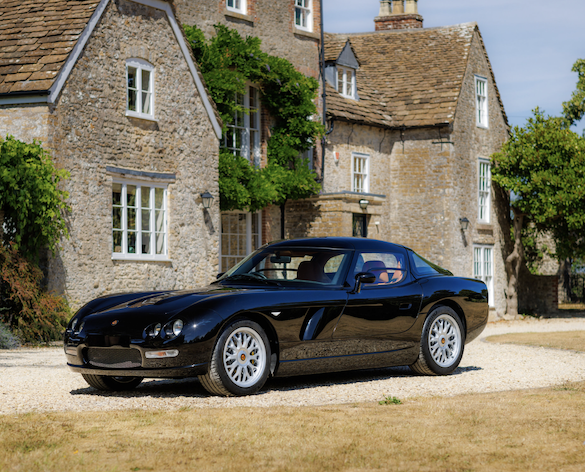
Dave Moss tells the fascinating story of cars bearing the ‘Bristol’ name…
(All words © Dave Moss).
Missing from the motoring scene now for 16 years, Bristol cars’ history is easily summarised in three words: chequered, eclectic – and convoluted… though dedicated followers will surely be able to summon adjectives for an alternative summary more akin to describing a love affair. If you’re unfamiliar with idiosyncratic automotive romances, but curious, there’s plenty out there to help with some of the story, but prepare for a tantalisingly intermittent read, exploring the sometimes murky, often incomplete background to the tribulations endured by this always idiosyncratic marque, offering well built, if sometimes uneasily styled, low volume, hand assembled cars. Here’s a (very) brief look at the story of a returning maverick.
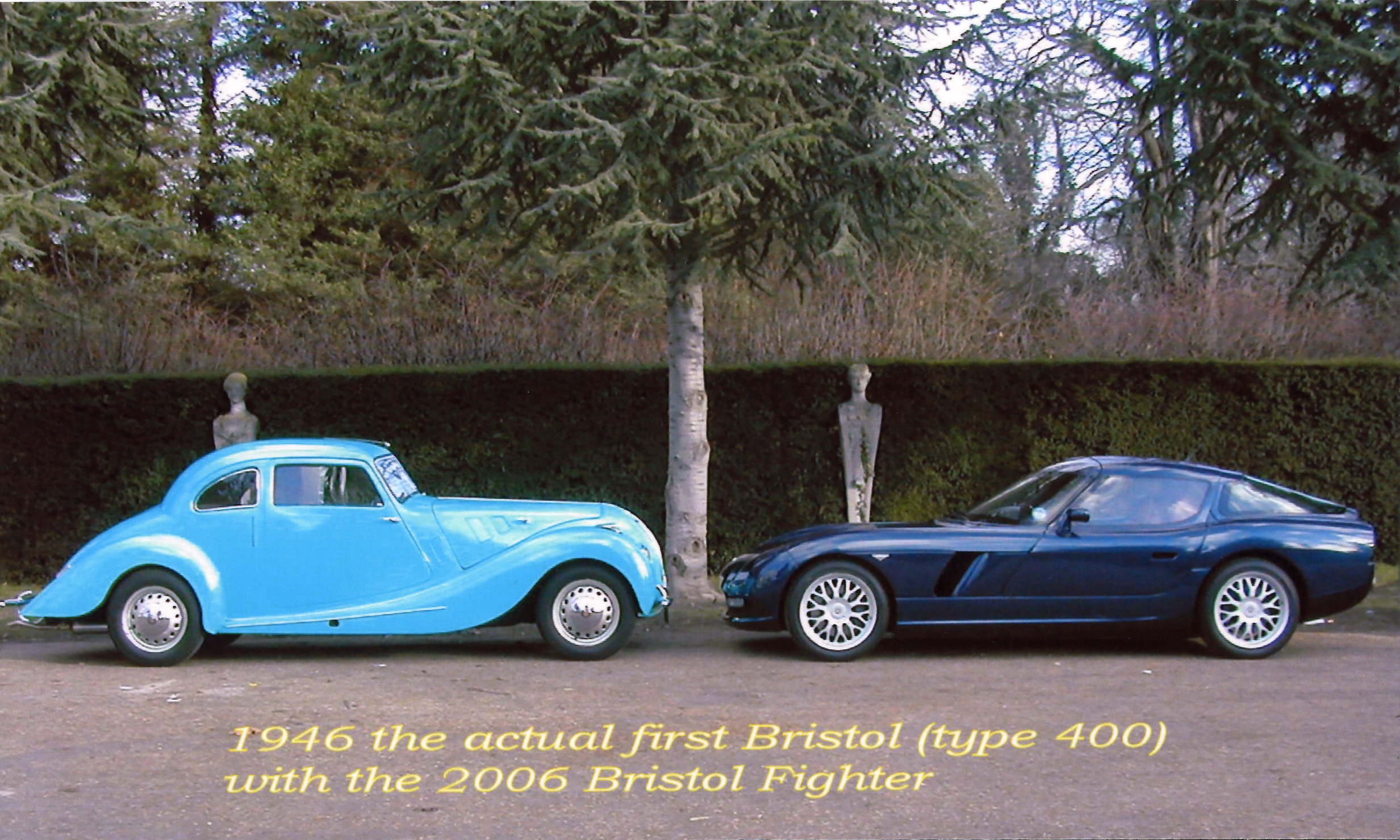
The marque appeared in 1946, spun off from the Bristol Aeroplane Company, then seeking work for its staff, equipment and factories as wartime aircraft manufacture ended. Bristol cars capitalised on its parent’s lengthy aviation background, incorporating advanced engineering, and built to aircraft-level quality control standards, offering high standards of luxury, individuality, and – in recent times – remarkable performance. Always specialist and never cheap, the first Bristol was the 400, featuring locally modified 2.0 litre, 6-cylinder engines, tortuously negotiated from the early post-war BMW organisation.
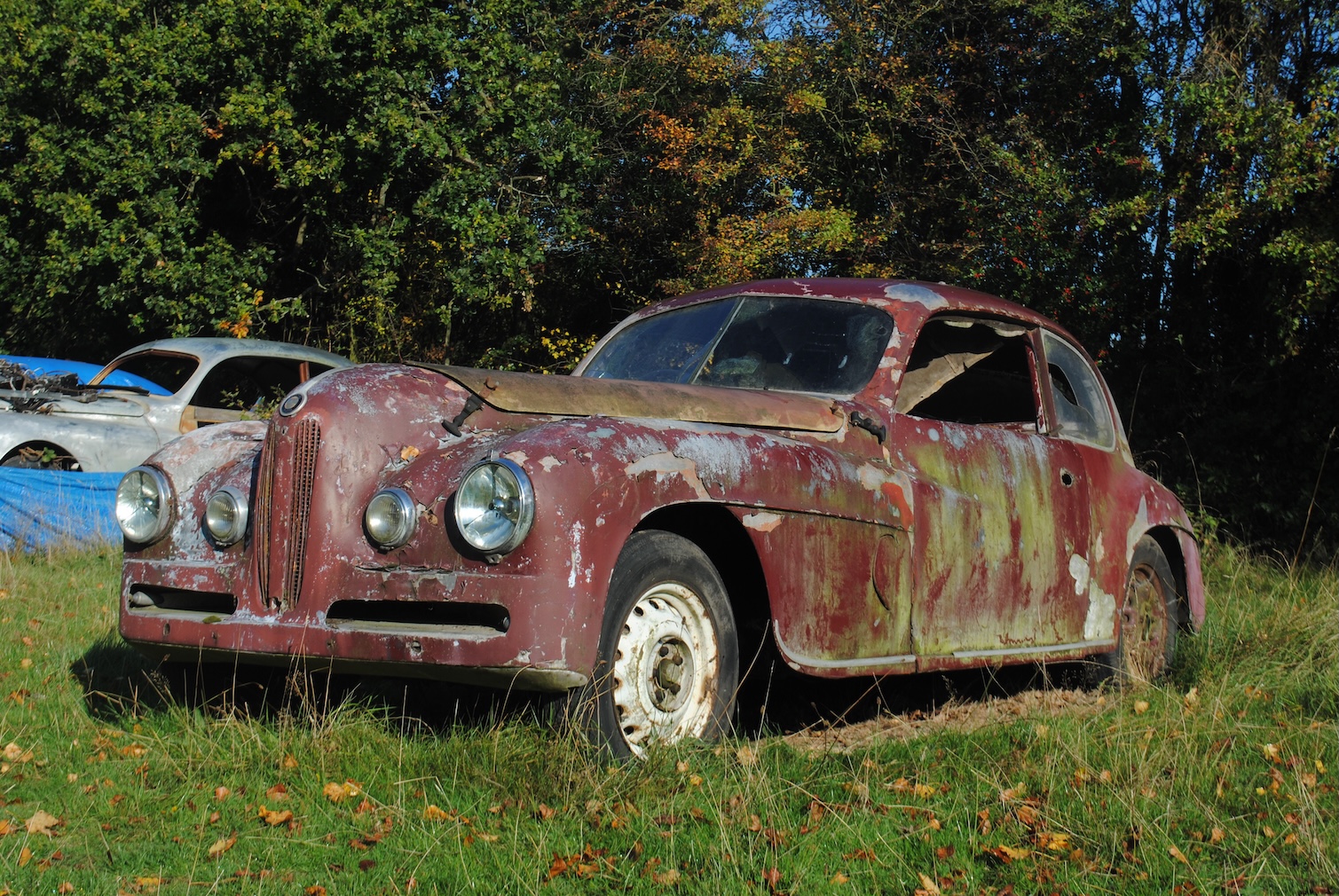
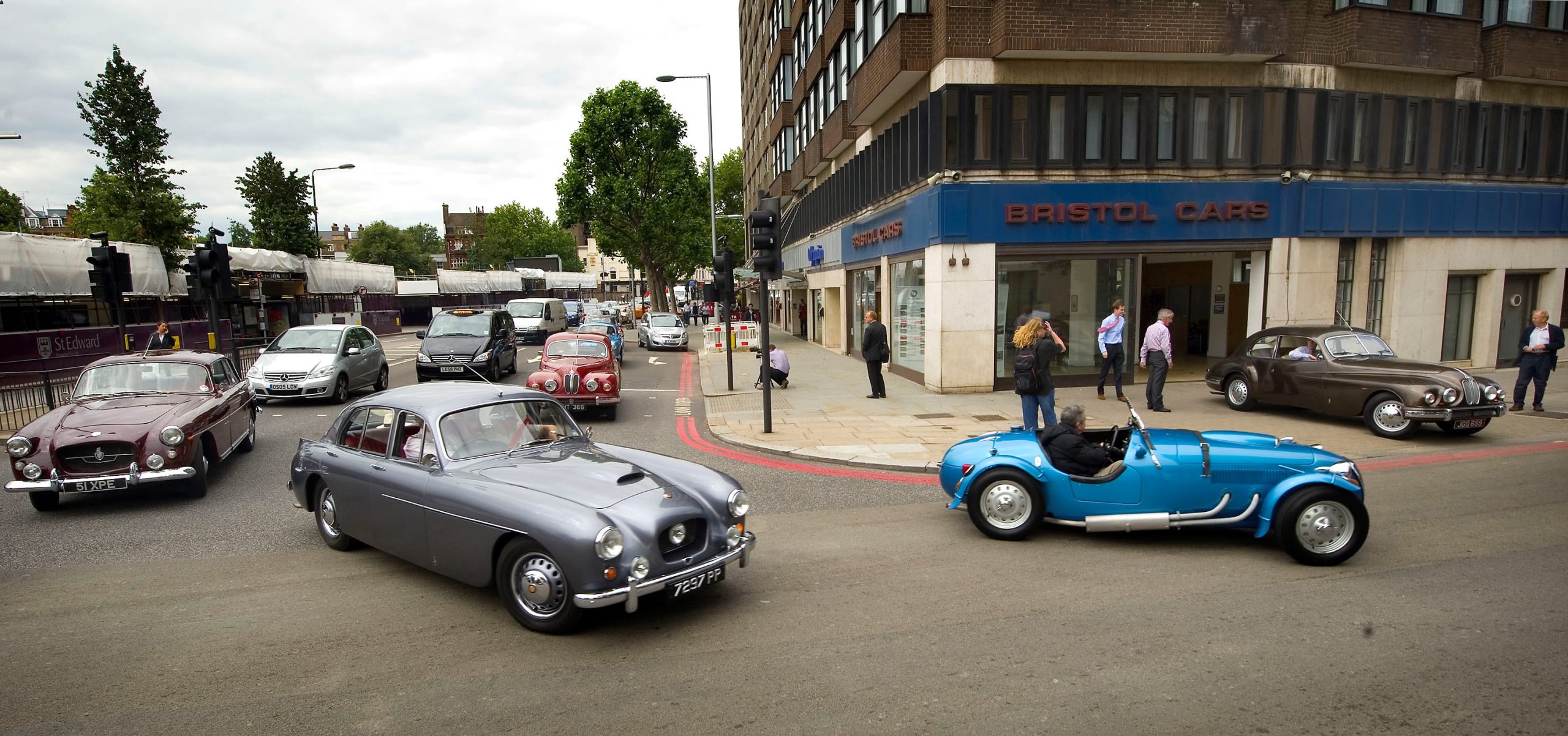
This became the best-selling Bristol to date, though numbers never approached four figures. Almost ten years later, with engineering credentials proven in motor sport, and riding high after class winning 1-2-3 success in the 1954 24 hour Le Mans race, the new Bristol 405 appeared at the London Motor Show – yet it mustered only 340 sales in a four-year lifetime… but one 405 did find fame 55 years later, appearing in the controversial 2009 Academy Award-nominated film “An Education”.
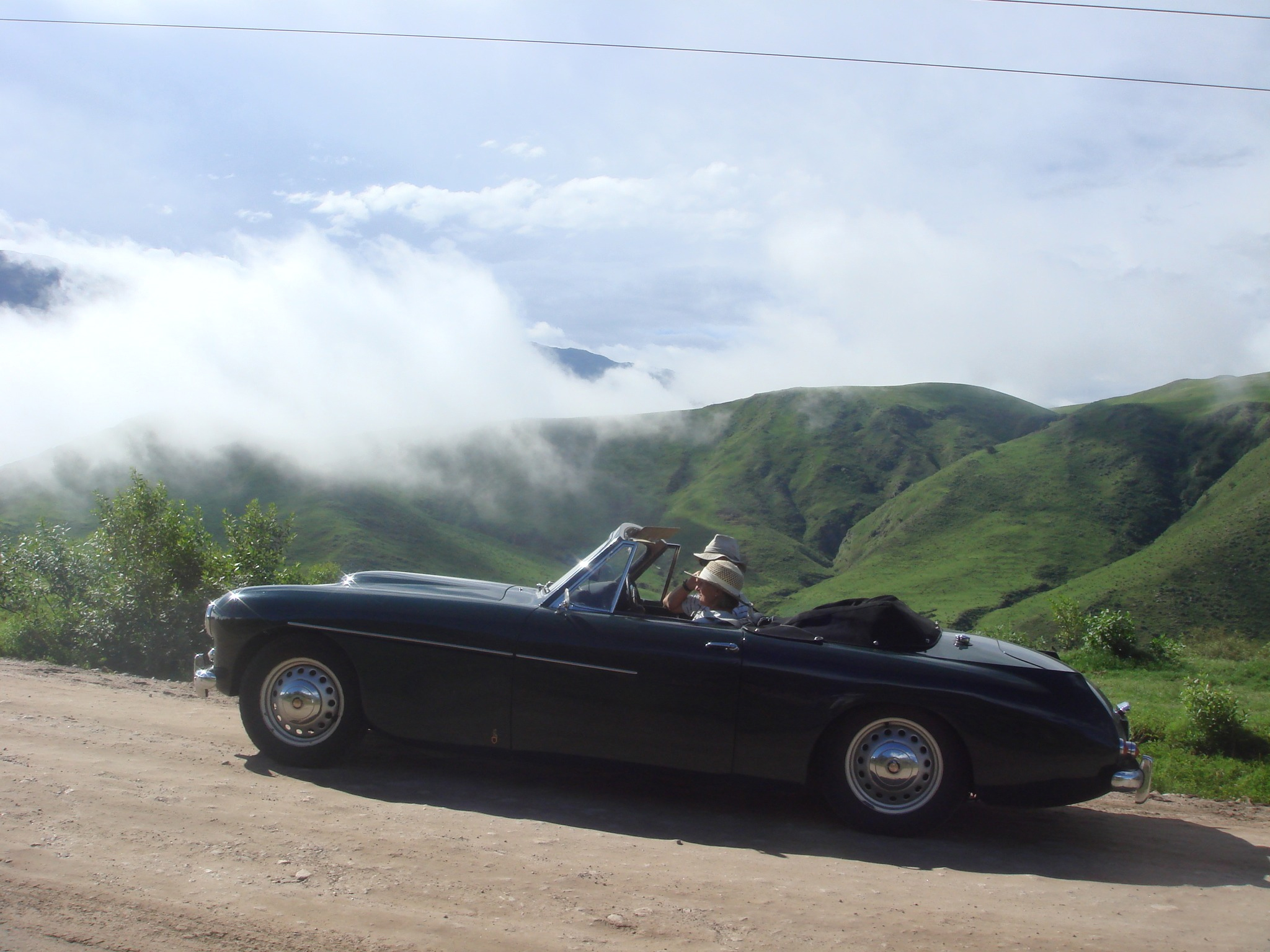
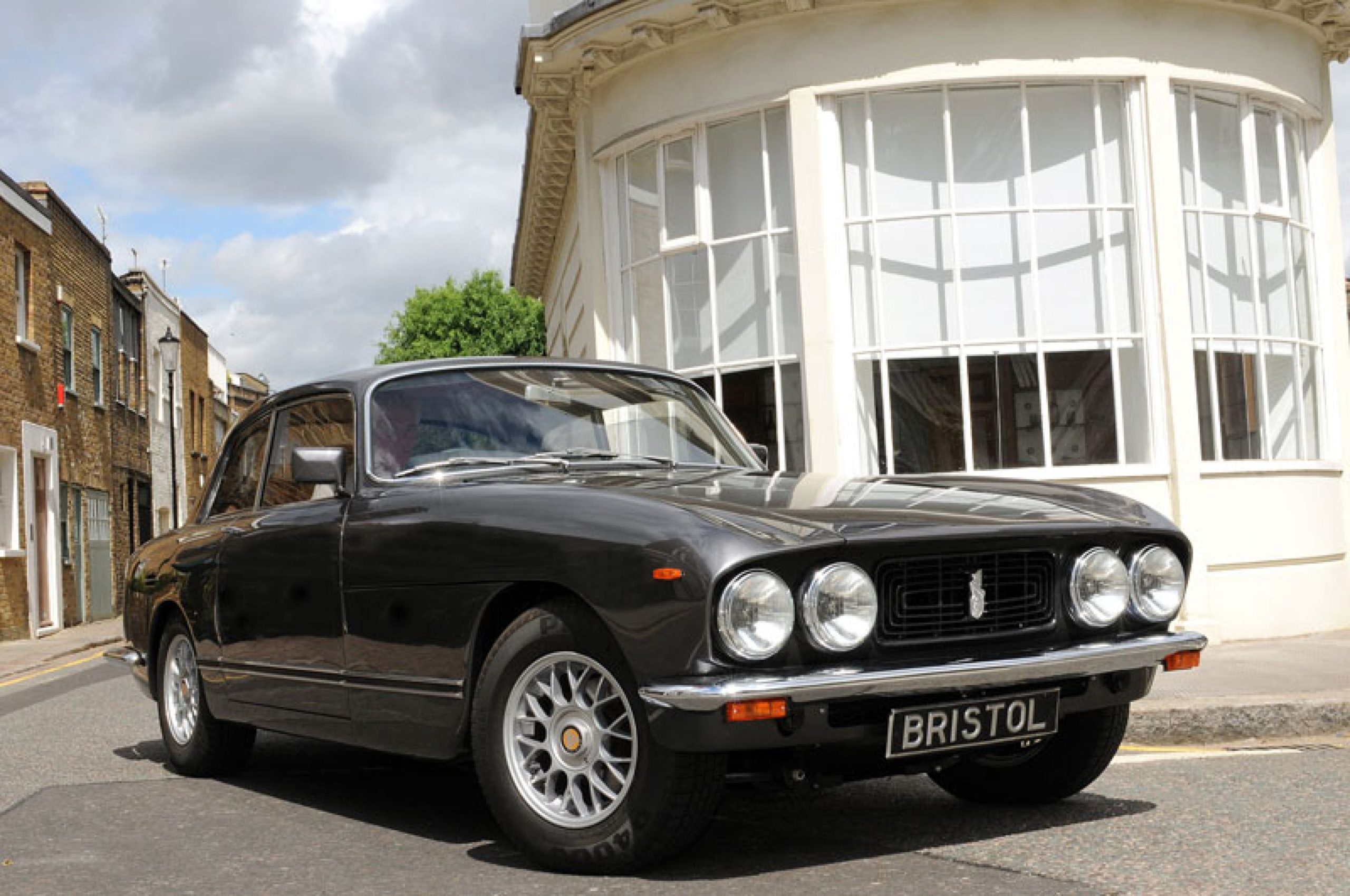
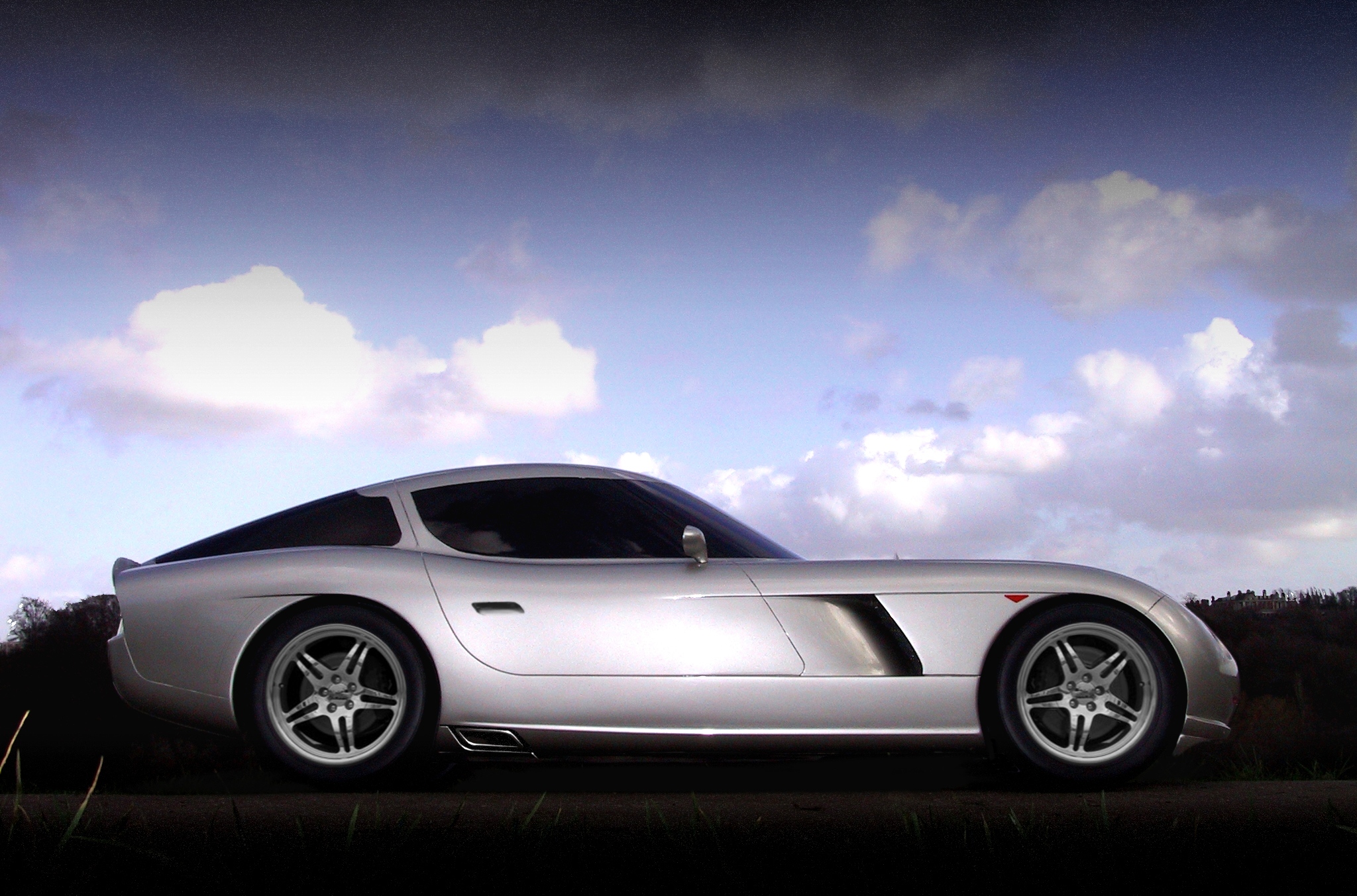
While rarity naturally adds to Bristol desirability, aided since the 1960s by much more powerful engines, production numbers continued downhill, reaching a semi-permanent comatose state epitomising the phrase “survival against the odds” early in the 21st century. Around this time a prototype of what proved to be the last design in the direct Bristol lineage was conceived, and named the Bristol Fighter when production began in 2004. It ended with an estimated 15 examples built, and the company in liquidation, in 2011. Rescue followed, although car production did not resume, and amid new staff and talk of big investments, the remnants of Bristol seemingly entered hibernation, until suddenly, in 2016, another fully working prototype emerged.
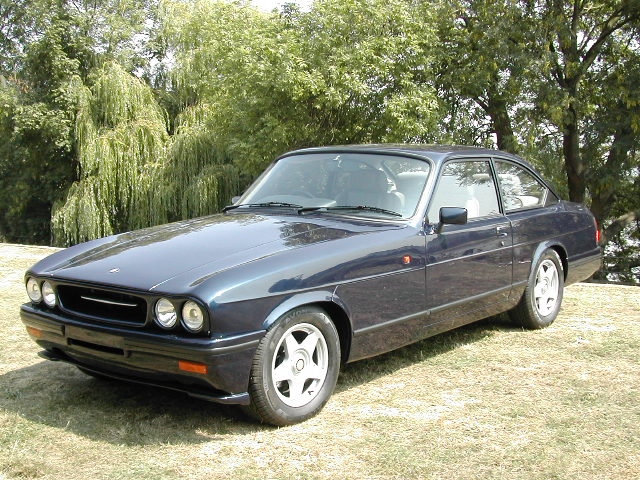
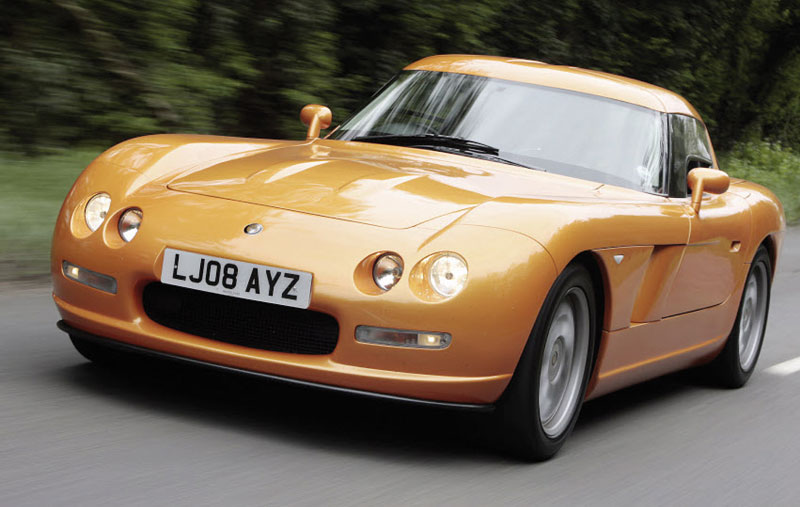
The new, BMW V8-engined Bristol Bullet, not obviously related to the previous Fighter series, was shown in London, and demonstrated at that year’s Goodwood Festival of Speed, with talk of marketing 70 examples… at £250,000 each. The project never progressed from there, and a good deal more murky water – including the long drawn out liquidation of remaining assets – has flowed under Bristol’s bridge since that single Bullet came and went.
Another ten years down the road, and under yet more new owners, enthusiasts everywhere will hope that a second reappearance of Bristol, at the recent 2026 Blenheim Palace Salon Privé event, will open a new, more stable and more successful chapter in the company’s troubled history. Now in its 80th Anniversary year, Bristol – probably wisely – has chosen to avoid the major investment needed to engineer a completely new car for the electric vehicle age. Instead it is reconnecting the marque with its past, showing a freshly built version of its 2011 Bristol Fighter design at Salon Privé. This reincarnation was masterminded by latest Bristol Cars owner and director Paul King, now joined by new Chairman Richard Hackett, regarded as a leading authority on the company’s history, cars and customer base, and a man with long-standing marque connections as adviser and trusted associate of former boss Tony Crook, during the time when the original Fighter was conceived and built.
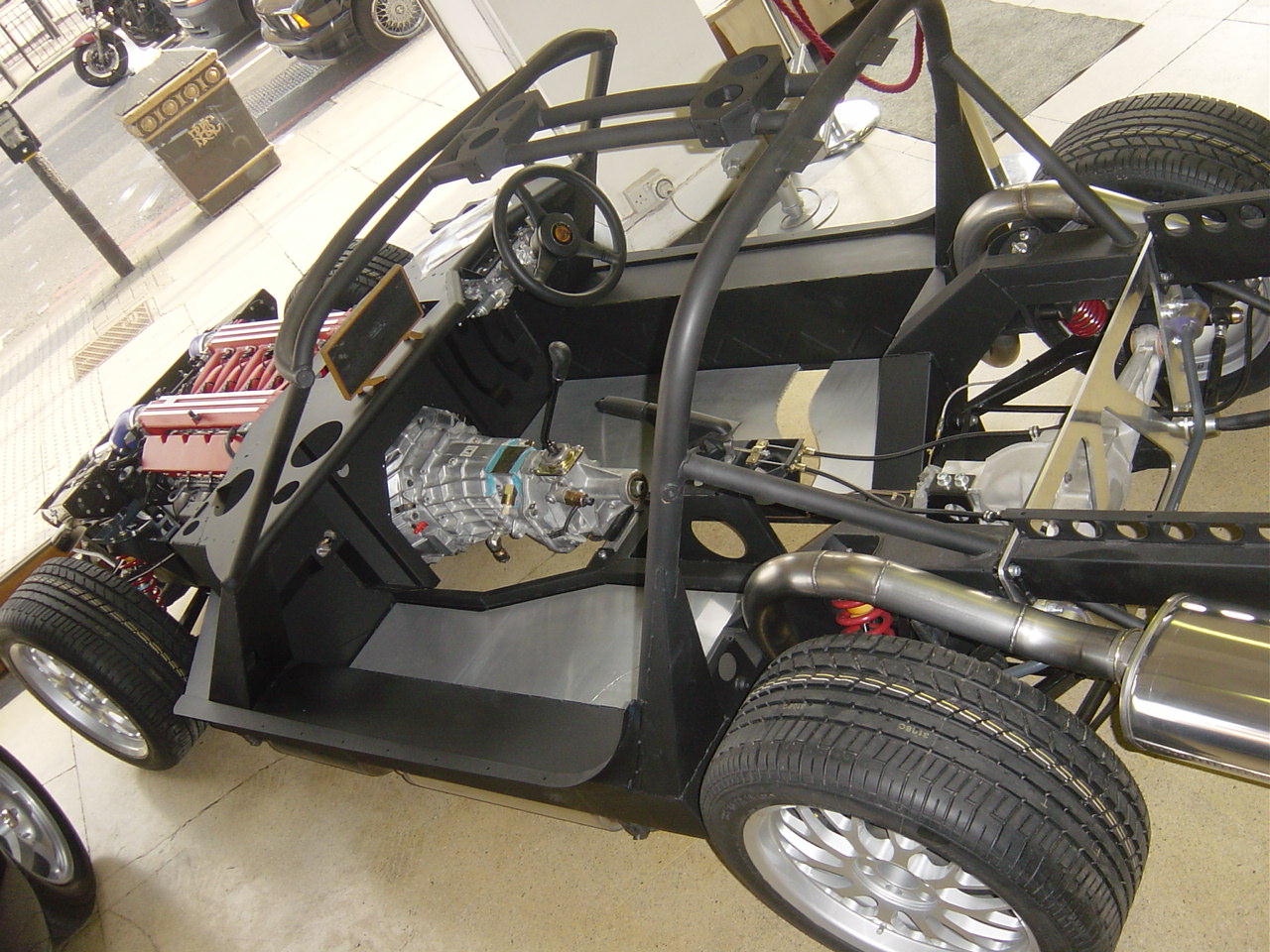
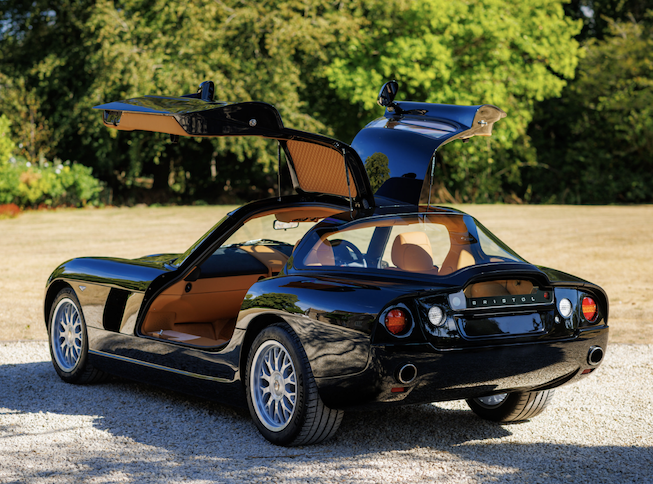
The latest version is described as an uncompromising two-seat supercar, built using original factory drawings, and employing one of five unused, original chassis. Like its predecessors, it is powered by a Chrysler-sourced 8.0-litre V10 petrol engine – familiar from that marque’s Viper sports car, with 525 or 600 horsepower options available, and claimed top speeds up to 210 mph. Its new makers regard the latest Fighter as the ultimate expression of Bristol’s ethos, still featuring dramatic gull-wing doors, and aerodynamic bodywork shaped as much by Bristol’s aviation roots as by performance ambition. It is, they claim, a hand-built British performance supercar defying convention, remaining true to the marque’s character, with grand tourer levels of refinement, individuality, and long-distance capability.
It’s said the remaining four original chassis will be available for commissions to buyers’ desired specifications, with pricing available on application. It is understood they will be specialist built, in what is described as “the best Bristol tradition”, through a partnership with an as yet un-named British manufacturing concern. This, it is claimed, will bring the engineering, craftsmanship and low-volume manufacturing expertise required to complete the vehicles to a high standard.
Announcing the return, Director Paul King said: “Bringing Bristol Cars back is about far more than reviving a name; it is about bringing back the spirit of a marque that has always stood apart. Bristol has a remarkable story, from its roots in aviation and engineering to the extraordinary and exclusive cars it crafted. We want to honour that heritage, while giving Bristol a future that is every bit as distinctive. To bring Bristol back to making cars in Britain, and with Richard Hackett returning to the company, we have brought together an exceptional combination of heritage, knowledge, engineering and craftsmanship. This is the beginning of Bristol’s return, and there is much more to come.”
Broad hints aside, nothing tangible has yet been released about the shape of any future plans, but history now shows that these are difficult times indeed for specialist, low volume motor manufacturers. Whilst many enthusiasts worldwide will be delighted to hear that Bristol is back, and willing this uniquely characterful British motor industry survivor to go on surviving, the limited size of today’s specialist market – with an electric future beckoning strongly – suggests inescapable major development costs lie ahead. Both are key factors likely to weigh heavily on finding future funding – and achieving future profitability.
Further reading:
Official new Bristol cars website: www.bristol-cars.co.uk
Official Bristol owners heritage trust site: https://bristolownersht.com/
Official Bristol owners and drivers association site : https://bristoloda.org/
https://en.wikipedia.org/wiki/Bristol_Fighter_(automobile)
https://en.wikipedia.org/wiki/Bristol_Cars
https://www.autocar.co.uk/car-news/industry/bristol-cars-loses-appeal-against-liquidation
https://web.archive.org/web/20170908153622/http://www.bristolcars.co.uk/Past/Cars-Past/
Books:
- J. K. Setright: A Private car – An account of the Bristol. 1998 A two volume limited edition set pub: Palawan Press 1998.
- J. K Setright: Bristol Cars and Engines. Date unknown. ISBN 10: 090054922X
Charles Oxley: Bristol, the Quiet Survivor. A history of all models of Britain’s most discreet sports car, from 1946 through 1988. 228pp. Pub: 1989. ISBN-10 185421019X; ISBN-13 978-1854210197