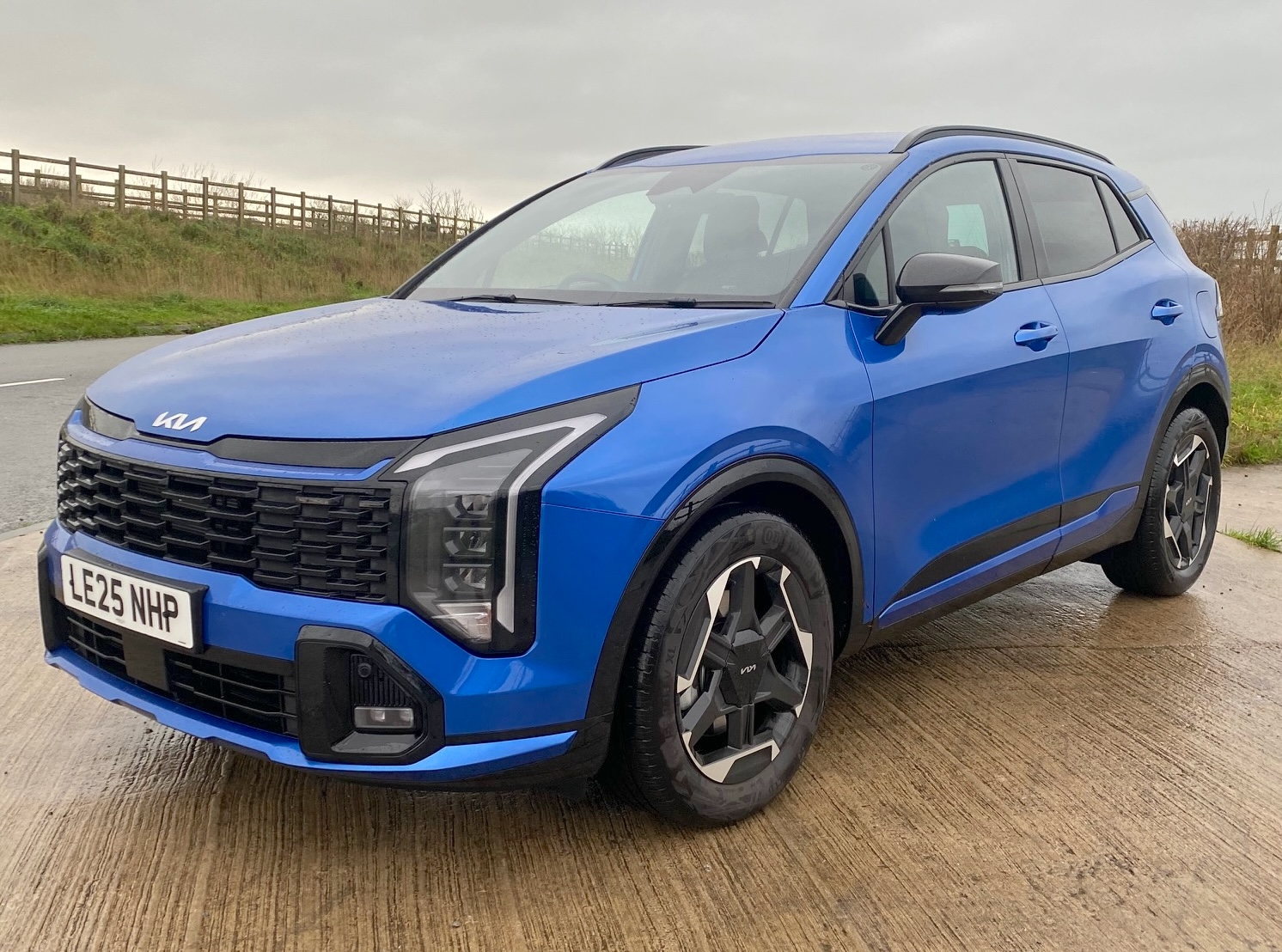
Incentives drive registrations but EV business slows. Robin Roberts (and WheelsWithinWales) reports…
The UK new car market rose by 7.2% in February to 90,100 registrations, according to the latest figures published by the Society of Motor Manufacturers and Traders, but EV demand is slowing again.
The growth brings the highest February volume in 22 years, although the month is conventionally lower volume and therefore more volatile, with many buyers preferring to wait for the March number plate change.
Demand was largely driven by recovering private retail registrations, up 17.6% to 35,227 units, while fleet uptake grew by 1.8% and the lower-volume business segment declined by -12.7%. Fleets remained the largest source of new car registrations, accounting for 59.4% of the market.
Battery electric vehicle (BEV) uptake rose 2.8% to 21,840 units, representing 24.2% of the market.
February was, however, the second consecutive month of decline in BEV market share compared with the same period last year – a dip that partly reflects a strong start to 2025, when new BEV buyers sought to avoid April’s introduction of new tax rates, and comes after a strong push at the end last year to comply with the Zero Emission Vehicle Mandate. February’s lower overall volumes can also exaggerate change.
Meanwhile, plug-in hybrids attracted the largest growth in demand, up 43.5% to claim an 11.6% market share, while hybrid electric registrations rose 3.3% to a 13.1% share. Petrol demand also grew, by 5.2% but share slipped to 46.5%, while diesel volumes continued to decline, down -3.8% to just 4.5% of the market.
With year-to-date BEV market share at 22.0%, two thirds of the 33% share mandated for 2026, March is set to be a pivotal month. Manufacturers have already invested billions in new models and discounts to drive demand, now with support from government’s Electric Car Grant, but circumstances have changed beyond expectation since the regulation was set. A holistic review of the transition is needed – and must be completed urgently as buyer confidence is anticipated to be weakened further amid plans to introduce a pay per mile tax for EVs from 2028.
Mike Hawes, SMMT Chief Executive, said, “The UK’s new car market is continuing to recover and EV volumes are growing too, even if market share remains disappointing.
All eyes are now on ‘new plate’ March, which typically sets the tone for the year – and given sales of new pure petrol and diesel cars are currently required to end in less than four years, EV uptake must accelerate rapidly.
Manufacturers have committed monumental investment to drive demand but such costs cannot be sustained indefinitely, making a review of the transition an urgent priority to ensure ambition matches natural demand.”
BEVs accounted for roughly a quarter of all new registrations in the month, while more than a third of new cars sold had a plug when plug-in hybrids are included.
That combination matters because it shows how electrification is now shaping the mainstream of the market rather than sitting at the margins.
Even in a relatively normal trading month, electrified vehicles accounted for a large share of new sales, while petrol and diesel registrations continued to decline year-on-year. Diesel fell by around 11% and petrol by 8% compared with February 2025, extending the structural shift away from internal combustion.
February’s results also highlight how the policy framework around the ZEV Mandate is shaping the composition of the market. Growth in hybrids and plug-in hybrids has reduced the effective BEV requirement manufacturers need to meet for compliance this year.
Estimates suggest the real-world target has fallen to around 19.4%, significantly below the headline 33% requirement.
This has largely been driven by the growth in the hybrid market, with hybrids being used to reduce the headline target a manufacturer is given.
February Top Ten
Ford Puma
Kia Sportage
MINI Cooper
Tesla Model 3
Jaecoo 7
Volvo XC40
VW Tiguan
Vauxhall Corsa
Ford Kuga
Hyundai Tucson